
Car dealerships and commercial parking lots face unique security challenges. Large outdoor spaces, valuable vehicles, multiple entrances, and limited after-hours supervision can make these properties vulnerable to theft, vandalism, and unauthorized access.
For dealerships, vehicles represent significant business assets. Damage or theft can create repair expenses, insurance claims, and disruptions to normal operations.
Car dealership security cameras help businesses monitor vehicle inventory, observe selected access points, and review suspicious activity.
When combined with remote video monitoring and appropriate physical security measures, modern surveillance systems can support a more proactive approach to property protection.
Why Car Dealership Security Matters
Automotive dealerships often maintain extensive outdoor inventory, including new vehicles, used vehicles, demonstration cars, and customer vehicles awaiting service.
These assets may remain parked outside during nights, weekends, and holidays.
Security incidents can result in:
- Vehicle theft or damage
- Repair and replacement expenses
- Insurance claims
- Operational disruptions
- Customer dissatisfaction
- Additional investigation costs
- Increased security requirements
A well-designed surveillance system can improve property visibility and support incident documentation.
However, cameras should complement secure key management, access controls, adequate lighting, and other security measures.
Common Security Threats Facing Car Dealerships
Vehicle Theft
Vehicles stored outdoors may be vulnerable when property access is not adequately controlled.
Security cameras can help monitor entrances, exits, and inventory areas.
Catalytic Converter and Component Theft
Vehicles may be targeted for valuable parts.
Surveillance coverage around storage areas can support detection and investigation, particularly when combined with suitable lighting and monitoring.
Vehicle Vandalism
Scratches, broken windows, damaged mirrors, and other forms of vandalism can create costly repairs.
Recorded footage may help dealerships investigate incidents.
Unauthorized After-Hours Access
Dealership properties may become less active after closing.
Remote surveillance can help identify configured movement events around restricted areas.
Parking Lot Incidents
Vehicle collisions, property damage, and disputes may occur in dealership parking areas.
Appropriately positioned cameras can provide useful footage for reviewing reported incidents.
How Car Dealership Security Cameras Work
A dealership surveillance system may combine fixed cameras, portable equipment, recording technology, and remote monitoring services.
Fixed Security Cameras
Fixed cameras are commonly installed on buildings, poles, and permanent structures.
They can monitor entrances, service departments, vehicle display areas, and parking lots.
Pan-Tilt-Zoom Cameras
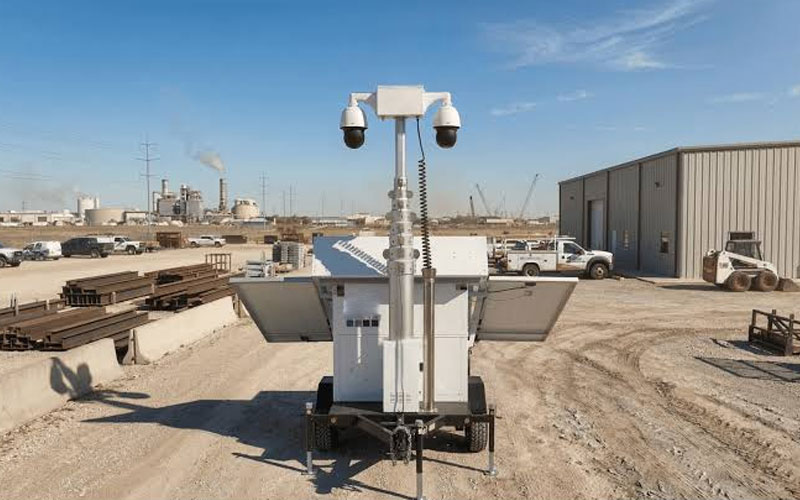
Pan-tilt-zoom cameras allow authorized users to adjust viewing directions and zoom levels.
They can be useful for monitoring selected areas across larger properties.
Mobile Surveillance Trailers
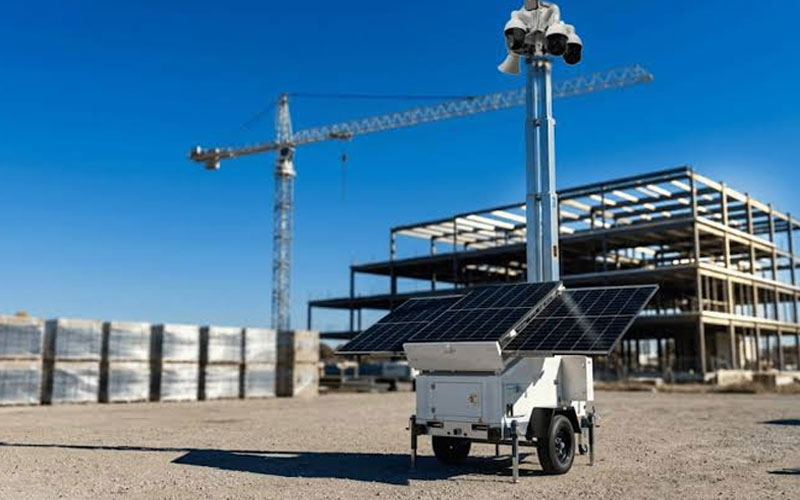
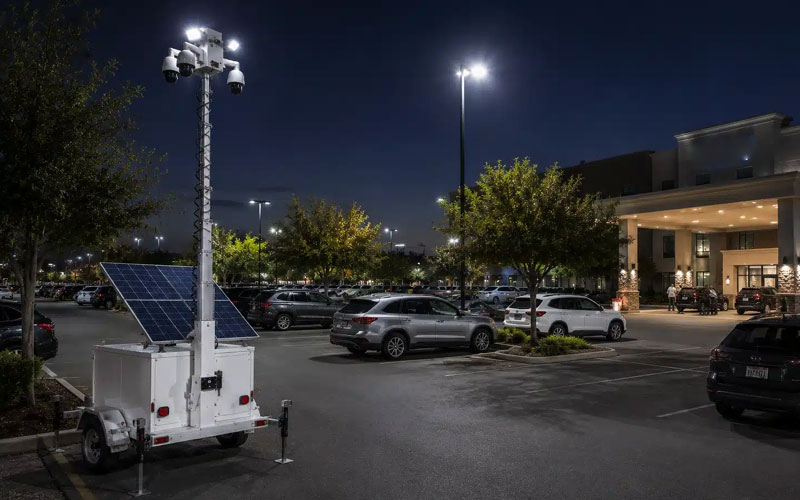
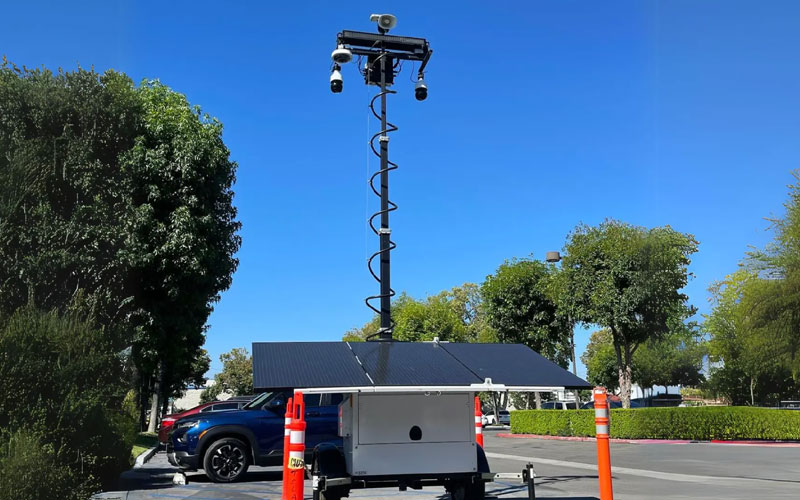
Mobile surveillance trailers provide elevated camera coverage through portable security platforms.
They are particularly useful for temporary inventory areas or locations where permanent installation is impractical.
Remote Video Monitoring
Compatible systems can transmit footage or alerts to authorized monitoring personnel.
Depending on the service, operators may review activity and follow established incident-response procedures.
Benefits of Proactive Video Surveillance for Dealerships
Improved Inventory Visibility
Security cameras can help dealerships observe selected vehicle storage areas and access routes.
After-Hours Monitoring
Remote surveillance can support security awareness when fewer employees are present.
Potential Crime Deterrence
Visible cameras, appropriate lighting, and monitoring may discourage certain opportunistic incidents.
Incident Documentation
Recorded footage can support internal investigations and authorized insurance or law-enforcement inquiries.
Flexible Security Coverage
Portable equipment can help dealerships adjust monitoring as inventory locations change.
Why Parking Lots Need Security Cameras
Commercial parking lots experience frequent vehicle and pedestrian movement.
Open entrances and large parking areas can make continuous supervision difficult.
Security cameras can support property management by monitoring designated areas.
Entrance and Exit Monitoring
Cameras near access points can record vehicle movement and provide useful information during incident reviews.
Pedestrian Area Surveillance
Cameras may support visibility around walkways, stairwell entrances, and payment areas.
They should complement adequate lighting and other safety measures.
Restricted-Area Monitoring
Surveillance can help observe staff-only parking sections, equipment areas, and restricted entrances.
Property Incident Review
Recorded footage may help management understand reported vehicle damage or suspicious activity.
Mobile Surveillance Trailers for Car Dealerships
Mobile surveillance trailers offer a flexible security option for dealerships with extensive outdoor inventory.
Unlike permanently installed cameras, trailers can be relocated when monitoring requirements change.
Flexible Deployment
Portable surveillance equipment can support temporary lots, expansion areas, and additional inventory storage locations.
Elevated Camera Coverage
Trailer-mounted cameras may provide improved visibility over selected vehicle rows and open spaces.
Solar Power Options
Some trailers include solar panels and battery storage, allowing deployment where permanent electrical infrastructure is limited.
Remote Monitoring Compatibility
Compatible systems can support remote footage access and security alert review.
Temporary Inventory Protection
Dealerships may use portable surveillance during renovations, seasonal inventory changes, or facility expansion.
Fixed Cameras vs. Mobile Surveillance Trailers
Fixed cameras are generally suitable for permanent dealership buildings and established parking areas.
Mobile surveillance trailers are useful when businesses need temporary coverage or flexible camera placement.
For example, a dealership may install fixed cameras around its showroom while using a portable surveillance trailer to monitor an overflow inventory lot.
Some dealerships may benefit from combining both technologies.
The most appropriate solution depends on property layout, security requirements, and total cost.
How Much Do Dealership Security Cameras Cost?
The cost of dealership surveillance depends on several factors:
- Property size
- Number of cameras
- Camera resolution and features
- Installation requirements
- Recording and storage capacity
- Network connectivity
- Remote monitoring services
- Equipment maintenance
- Contract duration
Businesses should evaluate the total cost of installation and ongoing operation.
A customized quote can help determine whether fixed cameras, mobile surveillance trailers, or a combination offers suitable value.
How to Improve Dealership Security
Businesses can strengthen their surveillance strategy by following several practical steps.
Identify vulnerable areas: Review entrances, vehicle storage zones, service areas, and restricted locations.
Improve camera placement: Position cameras to reduce blind spots and provide useful coverage.
Evaluate nighttime visibility: Ensure cameras and lighting are suitable for after-hours conditions.
Establish monitoring procedures: Define who receives alerts and how incidents should be handled.
Maintain security equipment: Regularly inspect cameras, recording systems, and communication connections.
Review security requirements: Update coverage when inventory layouts or operational conditions change.
Frequently Asked Questions
What security cameras are best for car dealerships?
The best cameras depend on property size, lighting, coverage requirements, and security risks. Many dealerships benefit from combining fixed cameras with appropriate monitoring.
Can mobile surveillance trailers protect dealership inventory?
They can support monitoring and incident detection around outdoor vehicle inventory, depending on equipment placement and capabilities.
Do parking lot security cameras work at night?
Many systems support infrared or low-light recording, although performance depends on the camera and lighting conditions.
Is 24/7 video monitoring necessary for dealerships?
It depends on property risks, staffing, operating hours, and the value of assets requiring protection.
Can security cameras prevent vehicle theft?
Cameras can support deterrence, detection, and investigations, but they cannot guarantee that theft will not occur.
Protect Your Dealership With Prime View Technologies
Protecting valuable vehicle inventory requires a security approach designed around your dealership’s layout and operational needs.
Prime View Technologies offers surveillance solutions for businesses exploring mobile security trailers, commercial security cameras, and remote monitoring.
Whether you manage a dealership, parking facility, or commercial property, appropriate surveillance technology can help improve visibility and support security operations.