
Protecting a commercial property requires careful planning. Business owners must consider theft prevention, unauthorized access, vandalism, and the cost of maintaining effective security coverage.
For many years, traditional security guards have been a common solution. However, advances in surveillance technology have made live video monitoring services another practical option for businesses seeking remote security oversight.
Both approaches offer valuable benefits, but they serve different purposes. Understanding their capabilities, costs, and limitations can help businesses make informed decisions.
What Is 24/7 Live Video Monitoring?
Live video monitoring is a security service that allows trained personnel to review surveillance footage or alerts from a remote location.
Security cameras transmit video through compatible communication networks, allowing authorized operators to monitor selected areas.
Depending on the service agreement, monitoring personnel may:
- Review suspicious activity
- Verify security alerts
- Observe restricted areas
- Issue audio warnings through compatible equipment
- Contact designated property representatives
- Escalate incidents to appropriate responders
- Document relevant security events
Some monitoring services continuously observe camera feeds, while others primarily respond to automated alerts.
Businesses should verify the monitoring hours and response procedures included in their service.
What Do Traditional Security Guards Provide?
Traditional security guards offer a physical presence at commercial properties.
Their responsibilities may include patrolling facilities, checking entrances, monitoring visitors, assisting employees, and responding to security concerns.
Security guards can also investigate incidents directly within the limits of their training and authority.
This physical presence is particularly important for businesses requiring access control, visitor management, or immediate on-site assistance.
However, staffing requirements and labor expenses can make continuous guard coverage costly.
Live Video Monitoring vs. Security Guards: Key Differences
Security Coverage
Live video monitoring can provide visibility across multiple cameras positioned throughout a property.
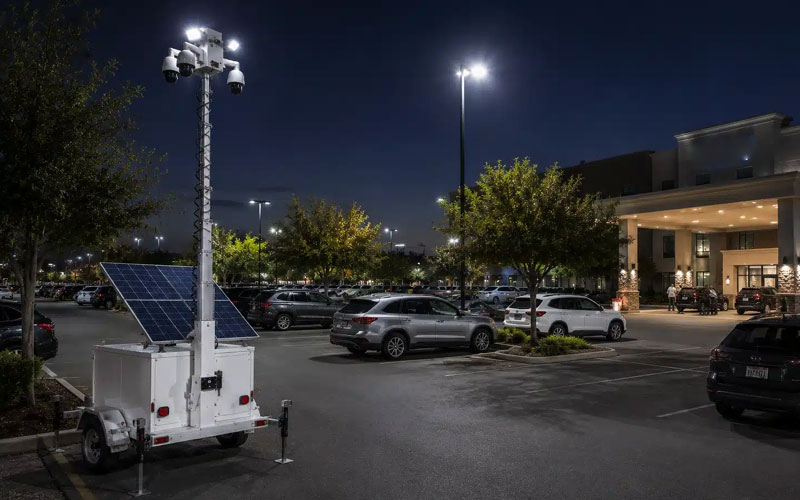
Operators may review entrances, parking lots, loading docks, and other designated locations.
However, cameras cannot observe areas outside their field of view.
Security guards can physically inspect locations and investigate activity, but one person cannot observe every part of a large facility simultaneously.
Security Costs
Traditional security guard services generally involve ongoing labor expenses.
Providing continuous coverage may require multiple guards working different shifts.
Live video monitoring typically involves camera equipment, installation, connectivity, and recurring monitoring fees.
Remote monitoring may be more economical for certain surveillance-focused applications, but total costs depend on the property and service requirements.
Incident Detection
Modern surveillance systems can use motion detection or video analytics to generate alerts.
Monitoring operators can review these alerts to determine whether additional action is necessary.
Security guards rely on direct observation, patrols, and communication with employees or visitors.
Both approaches can miss incidents, making proper procedures and coverage essential.
Emergency Response
Remote monitoring personnel may notify property managers, issue warnings, or contact emergency responders according to established procedures.
Security guards can physically investigate situations and assist on-site.
However, neither approach guarantees that theft or property damage will be prevented.
Flexibility
Remote monitoring can be suitable for businesses operating multiple locations.
Compatible camera systems may allow centralized oversight of selected security areas.
Traditional guard services generally require additional staffing as physical coverage requirements increase.
Benefits of Live Video Monitoring Services
Remote Property Visibility
Authorized personnel can review camera footage without being physically present at the property.
This is particularly useful for businesses managing several commercial facilities.
After-Hours Surveillance
Live monitoring can support oversight during nights, weekends, and holidays when fewer employees are present.
Potential Cost Efficiency
For properties that primarily require camera-based observation, remote monitoring may reduce the need for some dedicated on-site security posts.
Security Alert Verification
Monitoring personnel can review certain automated alerts before escalating them, potentially reducing unnecessary responses.
Incident Documentation
Recorded footage and monitoring records can help businesses review security incidents and maintain relevant documentation.
When Are Traditional Security Guards Better?
Traditional security guards may be more appropriate when businesses require direct human interaction or physical intervention.
Examples include:
- Visitor screening and credential checks
- Controlled facility entrances
- Crowded events
- Sensitive commercial operations
- Employee and visitor assistance
- Physical patrols in areas without camera coverage
Properties with limited connectivity or unsuitable camera visibility may also require on-site security personnel.
Why Combining Both Security Solutions Can Work
Some commercial properties benefit from a hybrid security strategy.
Security cameras provide visibility across designated areas, while guards handle physical responsibilities.
For example, a warehouse may use remote monitoring to observe exterior loading docks while an on-site guard manages vehicle access.
If monitoring personnel identify suspicious activity, they may notify the guard according to the property’s response procedures.
This combination can improve coordination, although it may increase operational expenses.
Businesses should determine whether the additional capabilities justify the cost.
Industries That Benefit From Remote Video Monitoring
Construction Sites
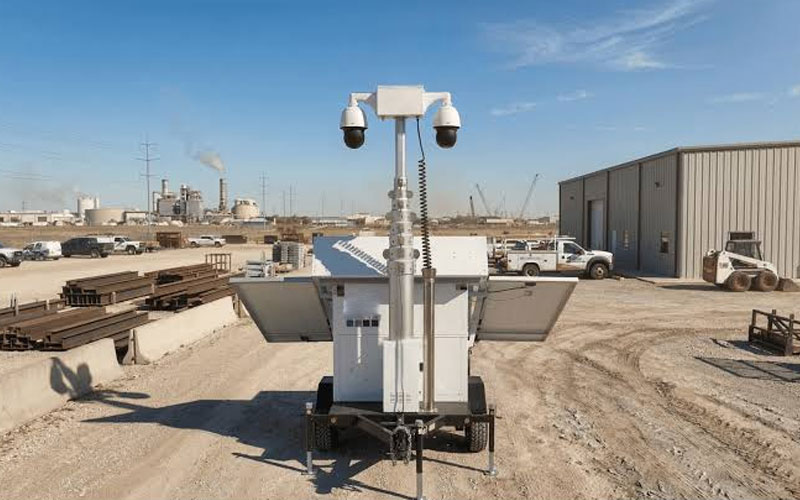
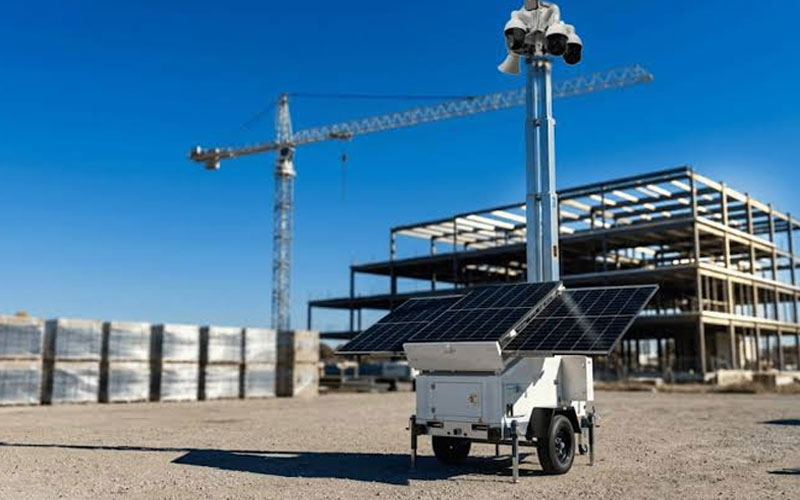
Remote monitoring can help observe machinery, materials, and restricted areas outside working hours.
Car Dealerships
Dealerships may use monitoring services to maintain visibility over outdoor vehicle inventory.
Warehouses
Security cameras can support surveillance around loading docks, entrances, and exterior storage areas.
Parking Facilities
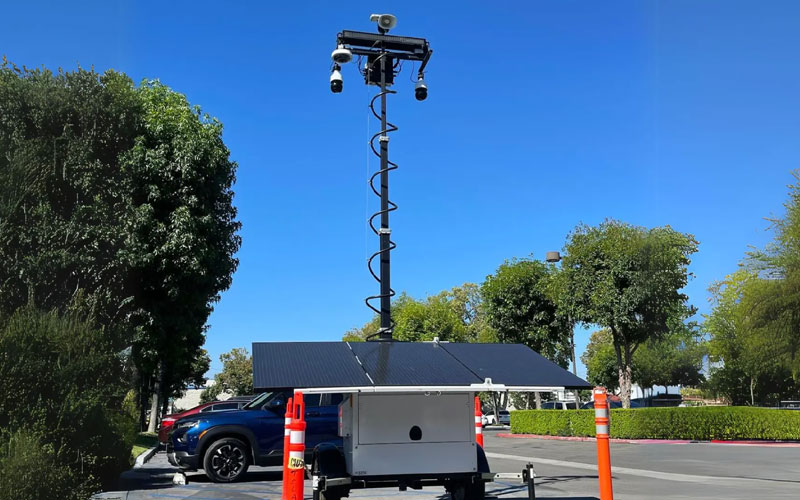
Monitoring can provide visibility across selected parking areas and access points.
Vacant Commercial Properties
Remote surveillance may help property owners observe buildings without maintaining a permanent on-site security presence.
How to Choose the Right Security Solution
Before selecting security guards or live video monitoring, evaluate the property’s specific risks.
Consider operating hours, site size, equipment value, visitor activity, access-control requirements, and available budgets.
Ask monitoring providers whether their service includes continuous observation or event-triggered review.
Confirm how incidents are handled, what equipment is required, and which recurring expenses apply.
The right security solution should address the property’s operational needs rather than simply offer the lowest advertised price.
Frequently Asked Questions
Is live video monitoring cheaper than security guards?
It can be for certain applications, but costs depend on camera equipment, monitoring requirements, staffing needs, and service agreements.
Can live video monitoring prevent theft?
It may support deterrence, detection, and incident response, but it cannot guarantee theft prevention.
Is live video monitoring available 24/7?
Some providers offer around-the-clock monitoring. Businesses should confirm actual coverage hours before purchasing a service.
Can remote monitoring completely replace security guards?
Not always. Businesses requiring physical access control, patrols, or direct intervention may still need security personnel.
Protect Your Business With Prime View Technologies
Choosing between remote monitoring and traditional security guards requires an understanding of your property’s security risks.
Prime View Technologies offers surveillance solutions for businesses seeking stronger visibility and flexible monitoring options.
From construction sites to warehouses and commercial facilities, an appropriate surveillance strategy can help businesses protect their operations.